
Board and Care Homes vs Large Communities in San Diego: An Honest Comparison
Quick answer: In San Diego, six-bed board and care homes typically cost $5,500 to $9,500 monthly, while larger assisted...


If a senior has been living alone for some time, you might worry that moving him or her to an assisted living community or board and care home in San Diego will be too difficult a transition. This is natural.
The truth is that for many seniors, the social benefits of assisted living are among the biggest reasons the move improves their quality of life. Regular conversation, shared meals, activities and the simple presence of other people can lift mood, sharpen thinking and restore a sense of purpose. This guide explains the social benefits of assisted living and board and care homes in San Diego, how they differ by setting, who benefits most, and how to help a parent make the most of a new community.
Loneliness is common among older adults, and for a senior who is recently widowed, no longer driving, or living far from family, it can deepen quickly. Public health leaders, including the U.S. Surgeon General, have warned that loneliness and social isolation are linked to higher risks of heart disease, depression, dementia and early death.
Isolation also hides problems. A senior who sees no one for days may skip meals, miss medications or fall without anyone knowing. Many families first notice trouble when they visit after a long gap and find an empty refrigerator or unopened mail. Our list of warning signs a parent needs senior care includes these social red flags.
Moving to a residential senior care setting does not cure loneliness overnight, but it puts people, routine and support within reach every day.
Senior communities throughout San Diego offer activities for every interest. Even seniors who seem to have lost interest in socializing often find something they enjoy once it is right down the hall.
Common activities include exercise classes, chair yoga, walking groups, bridge and card games, book clubs, choirs and music programs, art classes, gardening, Bible study and religious services, and movie nights. Many communities offer outings to museums, restaurants, the beach, the Del Mar Fair, theaters and scenic drives along the coast. For seniors with mobility challenges, staff help them get there.
For intellectually minded seniors, many communities host lectures, discussion groups and classes, or provide transportation to nearby community colleges and libraries. Learning new things keeps the brain active and connects seniors with others who share their interests.

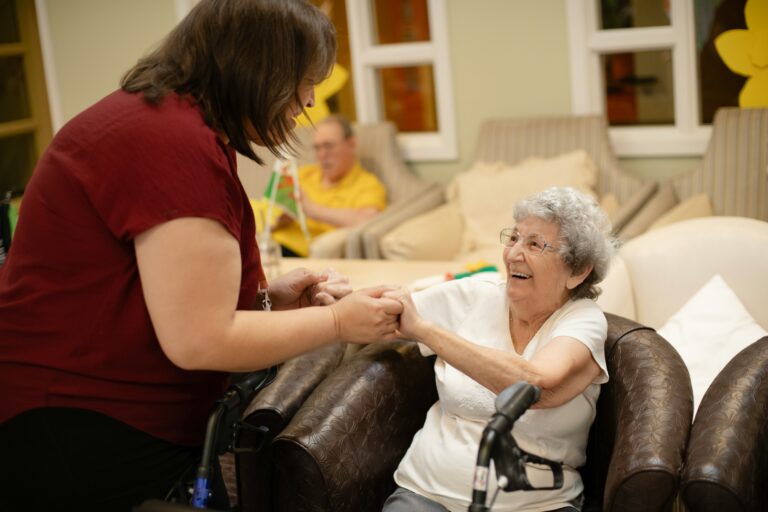
In assisted living communities and board and care homes, seniors have daily opportunities to get to know others their age. They remember the same decades, share many of the same experiences, and may face some of the same health challenges. Finding common ground is comforting.
Friendships often start in small ways: the same table at lunch, a neighbor down the hall, a partner for dominoes. Over time, these become real relationships. Residents check on each other, celebrate birthdays together, and notice when someone is missing from breakfast.
For many seniors living alone, meals are eaten in front of the TV, or skipped. In assisted living and board and care, meals become social events. Eating with others encourages better appetite and nutrition, gives a natural rhythm to the day, and creates easy conversation.
In large communities, residents dine in a restaurant-style dining room with assigned or open seating. In a board and care home, residents eat home-cooked meals together around a family table, often with the caregiver joining in. Both can turn mealtime from a lonely chore into a highlight of the day.
Family relationships can be challenging, especially when a family member is also the caregiver. Caregivers struggle to balance work, children and their own health, and many feel uncomfortable “parenting” their parents. The parent who needs help may feel like a burden.
Moving a loved one to a San Diego County assisted living community or board and care home can restore harmony. Family members no longer carry the daily burden of being the caregiver and can simply be sons, daughters and grandchildren again. Visits become about connection, not chores, and the parent has their dignity restored. Our guide to caregiver support in San Diego covers caregiver burnout and resources.
Both settings offer social benefits, but they feel very different, and the right fit depends on your parent’s personality.
Large assisted living communities house 50 to 200 or more residents. They suit outgoing seniors who enjoy a busy calendar, lots of choices, clubs, outings and many potential friends. A senior who loved neighborhood parties, church groups or volunteering often thrives here. Learn more about assisted living in San Diego.
Board and care homes usually care for about 6 residents in a house in a residential neighborhood. The social life is quieter and more like a family: conversation in the living room, helping fold laundry, watching a game together, sitting in the backyard. Caregivers know each resident well and gently draw them in. For shy seniors, those with hearing or vision loss, or those with dementia who are overwhelmed by crowds, a small home often provides more real connection than a large building where they would stay in their room. See our guide to board and care homes in San Diego.
Memory care offers structured, small-group activities designed for people with dementia, such as music, reminiscence, sensory activities and guided walks, in a secured setting. See memory care facilities in San Diego.
The activity calendar on the wall does not always match daily reality. To judge the social benefits of an assisted living community or board and care home, ask:
Then look for yourself. Visit at mid-morning or lunchtime. Are residents talking with each other, or sitting silently in front of a TV? Do caregivers chat with residents as they work? Do residents greet each other by name? These small signs tell you more than any brochure. Our guide on how to find the right assisted living facility includes more questions to ask.
The social benefits of assisted living reach beyond happiness. Seniors who join walking groups and exercise classes keep strength and balance longer, which helps prevent falls. Conversation, games and learning keep the mind engaged. Having people nearby means someone notices when a resident seems unwell, is not eating, or is more confused than usual, so problems are caught earlier. In a small board and care home, where the same caregivers see each resident throughout the day, this kind of watchfulness is part of daily life.
Consider a hypothetical widow in Clairemont. After her husband died, she stopped going to church because she no longer drove, and her daughter noticed she was eating little and sleeping most of the day. She resisted moving, saying she did not want to live with “old people.”
Her daughter toured a large assisted living community and a small board and care home nearby. Her mother felt lost in the big dining room, but at the board and care home she sat at the kitchen table with another resident who had grown up in the same Midwestern town. Within a month, the two were doing crossword puzzles every morning, she was eating three meals a day, and a volunteer from her church visited every Sunday. Her daughter now visits for lunch instead of to check on groceries and medications.
In 2026, assisted living in San Diego typically costs about $5,500 to $12,500 a month, board and care homes about $5,500 to $9,500, and memory care about $7,500 to $14,000. Shared rooms cost less than private rooms and can add companionship. Our 2026 guide to assisted living costs in San Diego explains what is included.
Elder Answers is a free senior placement agency serving families across San Diego County for well over a decade. We are paid by the care home after a resident moves in, and the rate you pay does not change. Our advisors personally visit the homes we recommend and can match your parent with a community or senior care home whose social life fits their personality, from busy assisted living communities to quiet board and care homes. Learn about our senior care placement services or contact Elder Answers.
Assisted living offers daily contact with peers, shared meals, organized activities, outings and support from staff. These reduce loneliness, encourage better eating and activity, and give seniors a sense of routine and purpose.
It often helps. Being around people every day, with activities and shared meals, can lift mood and reduce isolation. Depression should still be evaluated and treated by a doctor, and staff can help watch for changes.
Not usually. Board and care homes have fewer residents, but the social life is close and family-like. Seniors who feel overwhelmed in large groups often connect more in a small home where caregivers know them well.
Many seniors prefer one-on-one connection. A small board and care home, a single regular meal companion, or a quiet activity like gardening or puzzles can work better than a big calendar. Share your parent’s preferences with staff.
Yes. People with dementia benefit from routine, music, simple activities and gentle social contact. Memory care and dementia board and care homes design activities for their abilities.
Most seniors need several weeks, and some need a few months. Regular family visits, a familiar room and encouragement from staff help. Ask for a care conference if your parent still seems isolated after a month.
Yes. Many communities provide transportation to religious services and outings, and family or friends can take residents out. Keeping old connections helps a parent feel like themselves in a new home.
Assisted living in San Diego typically costs about $5,500 to $12,500 a month in 2026, and board and care homes about $5,500 to $9,500. The price depends on care needs, room type and location.
The social benefits of assisted living, board and care and memory care are real: friendship, shared meals, activities, safety and relief for family caregivers. The right setting depends on your parent’s personality and care needs, whether that is a busy assisted living community or a quiet senior care home where everyone sits down to dinner together. A free senior care assessment can help you find the right fit in San Diego County.
Quick answer: In San Diego, six-bed board and care homes typically cost $5,500 to $9,500 monthly, while larger assisted...
The first question most families ask when a parent needs more help is simple: what will this cost? In...
When a parent can no longer live safely alone, most San Diego families start by searching for assisted living....

Finding assisted living for a parent or loved one can feel overwhelming. You're navigating unfamiliar terminology, comparing costs across...