
Board and Care Homes vs Large Communities in San Diego: An Honest Comparison
Quick answer: In San Diego, six-bed board and care homes typically cost $5,500 to $9,500 monthly, while larger assisted...
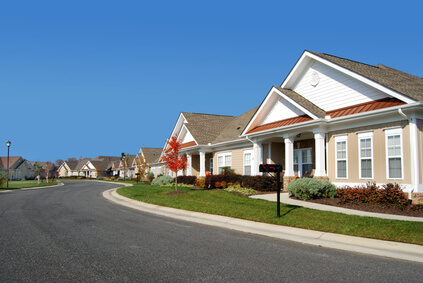

55 plus communities in San Diego are popular with active older adults who want a quieter neighborhood, neighbors at a similar stage of life and, often, a pool or clubhouse down the street. But a 55+ community is not the same as independent living, assisted living or a board and care home, and many families mix them up.
This 2026 guide explains what 55 plus communities in San Diego are, how the age rules work in California, what they cost, how they compare with independent living and care homes, and how to plan for the day when more help is needed. It is written for older adults weighing a move and for adult children helping a parent think ahead.
A 55 plus community, also called an active adult community or age-restricted neighborhood, is a housing development where residents must meet a minimum age, usually 55. It is a real estate choice, not a care setting. You buy (or sometimes rent) a home, pay HOA fees or space rent, and live independently.
Most 55+ communities offer:
What they do not offer is just as important. A 55+ community generally provides no meals, no personal care, no medication help and no staff checking on residents. If a resident needs help, they arrange it themselves.
Two sets of rules shape who can live in a 55+ community in San Diego.
Federal rules. Under the federal Housing for Older Persons Act, a community can qualify as “55 or older” housing if at least 80 percent of occupied units have at least one resident who is 55 or older, and the community publishes and follows policies showing it is meant for older adults. That leaves some room for younger residents.
California rules. California’s Civil Code also defines senior citizen housing developments. For a 55+ development, the law generally requires at least 35 units built or substantially renovated for seniors. Each unit must have at least one senior resident, and the law lets certain other people live there too, such as a spouse or cohabitant, a household member 45 or older, a live-in caregiver, or a disabled child or grandchild who needs to live with the senior. Younger guests can visit, and the community’s rules must allow visits of at least 60 days a year.
The exact rules vary by community and are spelled out in its governing documents. Read the CC&Rs carefully, especially if a younger spouse, an adult child or a live-in caregiver may live with you.
San Diego County has several kinds of 55+ housing, and many of the larger communities are in North County, both inland and coastal.
Single-family homes. Detached homes in planned communities, often with a clubhouse and pool. These usually cost the most and have the highest property taxes.
Condos and townhomes. Attached homes with shared walls and HOA-maintained exteriors. They are often easier to maintain and lock up when traveling.
Manufactured and mobile home communities. These are often the most affordable route into 55+ living. In most parks, you buy the home but rent the land it sits on, so you pay monthly space rent on top of any loan. Space rents can rise over time, so ask about the history of increases and any local rent protections.
55+ rentals. Some apartment communities are age-restricted rentals. They offer the age-restricted setting without buying, but they are not independent living and do not include meals or services.
These options serve very different stages of life. Here is how they compare.
55 plus community. You own or rent a home in an age-restricted neighborhood. No meals, no care and no staff for residents. Best for healthy, active adults who want independence and a like-minded community.
Independent living. A senior apartment community, usually for people in their 70s and older, with meals, housekeeping, transportation and a full activity calendar included in a monthly rent. No hands-on personal care, though residents can hire home care. Best for seniors who are independent but want convenience, social life and less home upkeep. See our guide to independent living in San Diego.
Assisted living. A licensed care community that adds help with bathing, dressing, medications and other daily activities, plus 24-hour staff. In 2026, assisted living in San Diego usually costs about $5,500 to $12,500 per month. Learn more about assisted living in San Diego.
Board and care home. A small licensed care home in a regular house, usually for about 6 residents, with home-cooked meals, hands-on personal care and 24-hour supervision. In 2026, board and care homes in San Diego usually cost about $5,500 to $9,500 per month. See board and care homes in San Diego.
Many people move through more than one of these over the years: a 55+ community in their 60s, perhaps independent living in their late 70s, and assisted living or a board and care home if they later need daily help. Our overview of senior care options explains each level.
Advantages:
Drawbacks:
Budget for more than the purchase price. Typical costs include:
A note on property taxes. Under California’s Proposition 19, homeowners 55 and older can generally transfer the taxable value of their primary home to a replacement primary home anywhere in California, up to three times, if they buy the new home within two years of selling the old one. If the new home costs more, part of the difference is added. This can make downsizing into a 55+ community much more affordable. Confirm eligibility with the San Diego County Assessor before you buy.
The biggest mistake families make with 55+ communities is treating them as a lifetime plan without a backup. Many residents stay healthy for years. But eventually, a fall, a stroke, a dementia diagnosis or the loss of a spouse can change everything, and the community itself will not provide care.
A simple plan helps:
When care needs grow beyond a few hours a day, residential senior care, such as a board and care home or assisted living, is usually safer and often less expensive than round-the-clock care at home. Our 2026 guide to San Diego senior care costs compares the options.
Imagine a couple in their late 60s selling their two-story family home in Clairemont. They buy a single-story home in a 55+ community in Oceanside, use Proposition 19 to keep a lower property tax base, and enjoy the pool and walking group for years.
Before moving, they also sign updated powers of attorney and talk with their children about “what if.” Twelve years later, the husband develops dementia and the wife can no longer manage his care alone, even with home care. Because they had talked about it, the family quickly tours care homes nearby. He moves into a small board and care home ten minutes away, and she stays in their home and visits every day. Families in North County can start with our page on board and care homes in Oceanside.
Elder Answers does not sell real estate, and a local realtor who knows 55+ communities is the right person to help you buy a home. Where we help is the next step: when you or a parent needs more support than a 55+ community provides. Our advisors help families compare independent living, assisted living, memory care and board and care homes across San Diego County, and we personally visit the homes we recommend.
Our help is free for families. Care homes pay us after a resident moves in, and that does not change the rate you pay. We share your information only with the homes you choose. Contact Elder Answers to talk with an advisor about what comes after a 55+ community.
A 55 plus community is an age-restricted neighborhood or housing development where most households must include at least one person 55 or older. Residents own or rent their homes and live independently. These communities offer amenities like clubhouses and pools, but not meals or personal care.
No. A 55+ community is a neighborhood where you own or rent a home and take care of yourself. Independent living is a senior apartment community that includes meals, housekeeping, transportation and activities in a monthly rent. Neither provides hands-on personal care.
Sometimes. Federal rules require only that at least 80 percent of occupied units have a resident 55 or older, and California law allows certain others, such as a spouse, a household member 45 or older, a live-in caregiver or a disabled child or grandchild, to live with a senior. Each community’s governing documents set its exact rules.
Yes, as guests. California law requires senior housing developments to allow younger guests to stay for at least 60 days a year, and each community’s rules spell out the details. Children generally cannot live there full time.
No. Residents arrange their own help, such as in-home care. If you need daily help with bathing, dressing or medications, or 24-hour supervision, assisted living or a board and care home is usually a better fit.
Many of the larger 55+ communities in San Diego County are in North County, both inland and coastal, with others scattered throughout the county. A local realtor who specializes in active adult communities can tell you which ones currently have homes for sale.
Often, yes. Under Proposition 19, homeowners 55 and older can generally transfer the taxable value of their primary residence to a replacement primary residence anywhere in California up to three times, if they buy within two years of selling. Confirm the details with the San Diego County Assessor.
Many residents start with a few hours of in-home care. When needs grow to daily hands-on help or supervision, most move to assisted living, a board and care home or memory care. Planning ahead makes that move much easier, and a free senior care placement advisor can help you compare options.
Quick answer: In San Diego, six-bed board and care homes typically cost $5,500 to $9,500 monthly, while larger assisted...

The first question most families ask when a parent needs more help is simple: what will this cost? In...

When a parent can no longer live safely alone, most San Diego families start by searching for assisted living....

Finding assisted living for a parent or loved one can feel overwhelming. You're navigating unfamiliar terminology, comparing costs across...