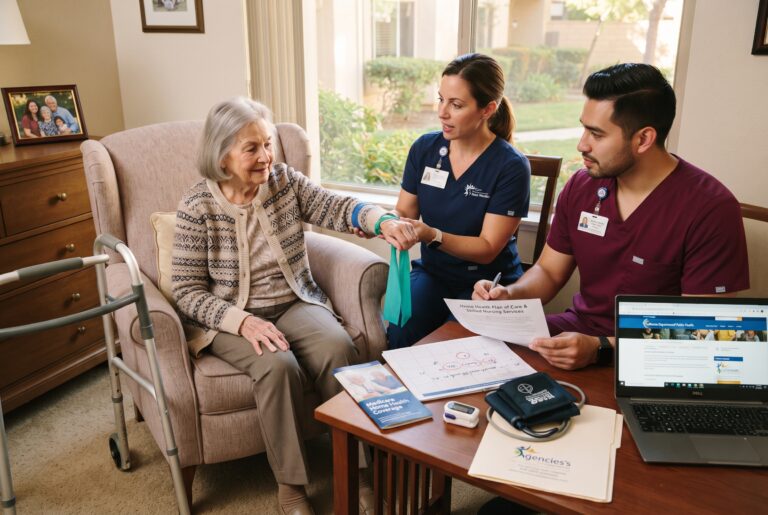
Home Health in Assisted Living: Does Medicare Cover It?
Quick answer: Yes. Medicare home health in assisted living is covered when a resident is homebound, needs intermittent skilled...


Quick answer: Many San Diego board and care homes and assisted living communities have caregivers who speak Spanish, Tagalog, Vietnamese, Chinese, Korean, Farsi, Arabic and other languages. Finding a Spanish speaking board and care in San Diego, or a home in another language, can improve safety, comfort and dignity, especially for parents with dementia who lose their second language. Ask how many caregivers speak the language on every shift.
San Diego is one of the most diverse regions in California, and many older adults are most comfortable in the language they grew up with. When a parent needs assisted living or a board and care home, language and culture can matter as much as location or price. This guide explains why language matters in senior care, how dementia affects language, which settings tend to offer language-matched care, what to ask, and how to find a home that fits your parent’s culture.
Many people with Alzheimer’s disease or another dementia gradually lose the language they learned later in life, while keeping their first language longer. A parent who spoke fluent English for 50 years may begin speaking only Spanish, Tagalog or Vietnamese. That can leave them isolated in an English-only setting, unable to express needs and more likely to become anxious or agitated.
For parents with dementia, language-matched caregivers are often one of the most important factors in a good placement. See our guides to memory care facilities in San Diego, board and care homes for dementia, and 9 tips for communicating when your loved one has dementia.
Location can also matter. Communities in South Bay, including assisted living in Chula Vista, and other neighborhoods often reflect the languages spoken nearby.
Add these to our how to choose a board and care home family checklist.
Language is hard to judge from a website. Placement advisors who tour homes in person usually know which caregivers speak which languages and which homes have residents from similar backgrounds. Learn how a senior placement agency finds the right home and why assisted living placement services are free for families.
Care homes tend to reflect the neighborhoods around them, because owners and caregivers often live nearby. Patterns families often find:
These are general patterns, not rules. Staffing changes, so always confirm who speaks the language on each shift today, not last year.
Usually not. A Spanish speaking board and care in San Diego is priced like any other board and care home, typically about $5,500 to $9,500 a month in 2026, based on care needs and room type. A private room is often $1,000 to $2,000 more than a shared room. Assisted living usually runs about $5,500 to $12,500 a month with care fees, and memory care about $7,500 to $14,000, while small dementia board and care homes often run about $6,000 to $9,500.
Because small homes are often owned by families from the same community, language-matched residential senior care is frequently easier to find in a 6-bed home than in a large community, and at a more predictable rate. Our family guide to board and care homes explains how these homes price care.
Marketing materials and phone calls can overstate language coverage. On a tour, look and listen:
Language matters beyond the care home. When your parent sees a doctor, goes to the hospital or speaks with a health plan, ask for an interpreter. Health plans and hospitals generally offer free language assistance, often by phone or video, and many San Diego clinics have Spanish-speaking staff. Write your parent’s preferred language on every intake form, and ask the care home to note it in the care plan and on the transfer form that goes with your parent to the hospital.
For parents with dementia, a familiar voice can make medical visits less frightening. If possible, have a bilingual family member or caregiver attend important appointments.
For example, imagine a family in Bonita. Their mother, 84, moved from Mexico as a young woman and spoke English at work for 40 years. As her Alzheimer’s disease progresses, she begins speaking only Spanish and becomes upset in her English-speaking assisted living community, refusing showers and calling for her sister.
Her son tours three small dementia homes in the South Bay and asks to meet the night caregiver at each one. He chooses a 6-bed home where every caregiver speaks Spanish, the radio plays rancheras in the afternoon, and dinner often includes caldo and tortillas. Within a few weeks, she accepts help with bathing again and smiles at mealtimes. Every family’s story differs, but language is often the missing piece when a parent with dementia seems unhappy in an otherwise good home.
Even in a language-matched senior care home, families play a big role in helping a parent feel at home. Ideas that work well:
Elder Answers provides free senior care placement throughout San Diego County. Our advisors personally visit board and care homes, assisted living and memory care, and keep track of which homes have caregivers who speak Spanish, Tagalog, Vietnamese, Arabic and other languages on every shift. We are paid by the care home after move-in, so our help is free for families and the rate you pay does not change. Contact Elder Answers to find a home that speaks your parent’s language.
Yes. Many board and care homes in San Diego have Spanish-speaking caregivers. Ask how many caregivers speak Spanish on each shift, including nights.
Dementia often affects a later-learned language first, while the first language is kept longer. Caregivers who speak that language can reduce frustration and help your parent express pain or needs.
Ask homes directly about caregivers on each shift, and work with a senior care placement advisor who has toured local homes.
It can, especially if English is a second language and dementia is present or likely. Choosing a home that speaks your parent’s first language now can avoid a second move later.
Some use phone or video interpreters for medical discussions. Ask what each home offers.
Food, faith, music, family roles and personal care preferences that fit your parent’s culture. A senior care home where meals and music feel familiar often helps a parent settle in faster.
Usually not. Board and care homes in San Diego typically run about $5,500 to $9,500 a month in 2026, based on care needs and room type, whatever language caregivers speak. Language-matched care is often easier to find in small homes than in large communities.
Throughout San Diego County, and especially in the South Bay and parts of North County. Staffing changes often, so confirm which caregivers speak Spanish on every shift, including nights. A placement advisor who tours homes regularly can point you to current options.
Yes, especially among small dementia board and care homes, which often run about $6,000 to $9,500 a month in San Diego. Ask whether caregivers on all shifts speak the language and whether other residents do too. Familiar food and music matter as well.
Language-matched care can make the difference between a parent who feels isolated and one who feels at home, especially with dementia. Whether you need a Spanish speaking board and care in San Diego or a home in Tagalog, Vietnamese or another language, ask how many caregivers speak it on every shift and how culture is reflected in food, faith and daily life. A free senior care assessment can connect you with homes that fit your parent’s language and culture.
Quick answer: Yes. Medicare home health in assisted living is covered when a resident is homebound, needs intermittent skilled...
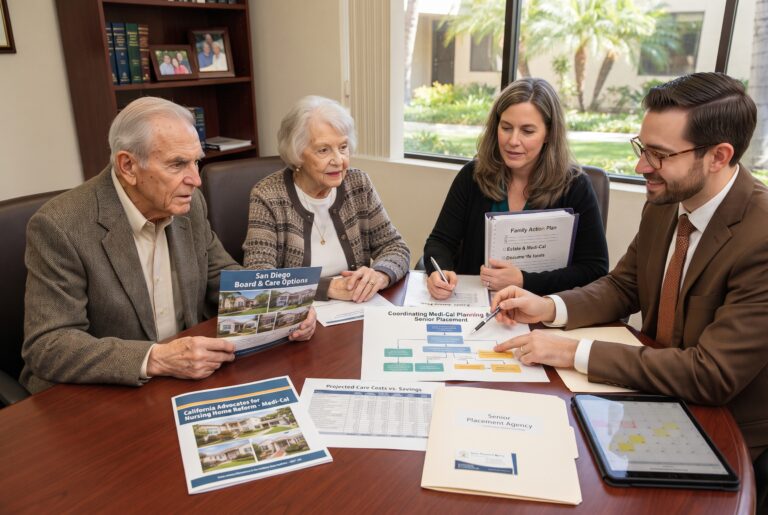
Quick answer: Elder law Medi-Cal planning and assisted living placement work best when coordinated. Because Medi-Cal does not pay...
Quick answer: Many San Diego board and care homes and assisted living communities have caregivers who speak Spanish, Tagalog,...

Quick answer: LGBTQ+ senior living in San Diego should feel safe, affirming and respectful. California law protects LGBTQ+ residents...