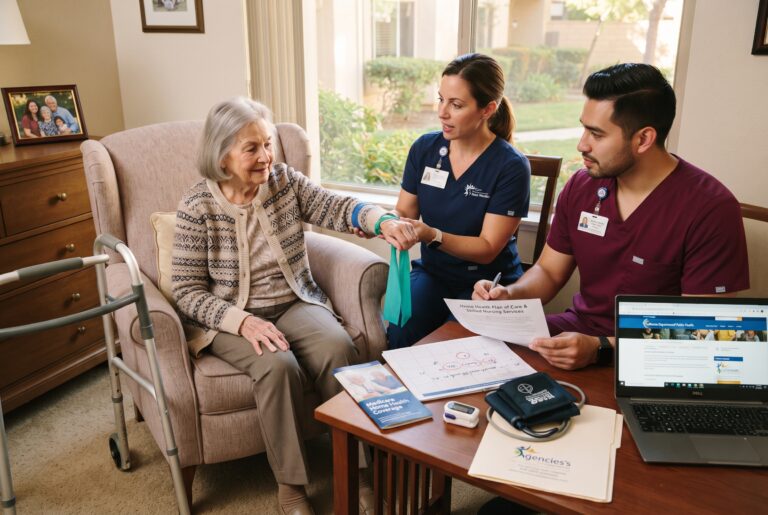
Home Health in Assisted Living: Does Medicare Cover It?
Quick answer: Yes. Medicare home health in assisted living is covered when a resident is homebound, needs intermittent skilled...


Quick answer: The SSI board and care rate in California is $1,626.07 a month for a person living in a licensed residential care home. The home may charge up to $1,444.07 for room, board, care and supervision, and the resident keeps at least $182 a month for personal needs. Few San Diego homes accept the SSI rate, so finding a bed takes planning.
The SSI board and care rate in California is a lifeline for seniors with very low income and almost no savings. It is also one of the most misunderstood senior care benefits, because the rate is far below what most San Diego board and care homes charge private-pay residents. This guide explains the SSI/SSP board and care rate, how the money is divided, who qualifies, how to apply, and how San Diego families find board and care homes that accept SSI.
Supplemental Security Income (SSI) is a federal benefit for people who are 65 or older, blind, or disabled and who have limited income and assets. California adds its own State Supplementary Payment (SSP) on top of the federal amount. The combined SSI/SSP payment depends on where a person lives.
For someone living in a licensed care home, the combined payment is called the Non-Medical Out-of-Home Care (NMOHC) payment standard. This is what most families mean by the SSI board and care rate in California. It is higher than the SSI amount for someone living independently, because it is designed to cover the cost of living in a licensed Residential Care Facility for the Elderly (RCFE), such as a six-bed board and care home or an assisted living community. Our guide to what a residential care home for seniors is explains how these homes are licensed.
The SSI board and care rate in California for an individual is $1,626.07 a month. It is made up of two parts:
For a married couple who both live in a licensed care home, the combined rate is $3,252.14 a month.
California sets how the $1,626.07 is split between the care home and the resident:
If your parent has income in addition to SSI, such as a small Social Security check, the home may charge an extra $20 a month, but only if that is written into the admission agreement. The personal needs allowance belongs to the resident, and the home cannot take it.
Your parent must qualify for SSI and live in a licensed residential care facility. In general, SSI eligibility in California requires:
The home your parent owns, one car, and certain burial funds usually do not count toward the asset limit. SSI recipients in California automatically receive Medi-Cal. Learn more in our Medi-Cal eligibility guide.
Most initial SSI applications based on disability are denied, but applications based on age 65 or older are generally simpler. Respond to every request for documents by the deadline.
Private-pay board and care homes in San Diego commonly charge about $5,500 to $9,500 a month, depending on care needs. The SSI board and care rate covers a fraction of that, so most operators cannot accept it for every bed. Some homes reserve one or two SSI beds, often for residents who need less hands-on help, and those beds fill quickly.
San Diego board and care homes that accept SSI tend to be in areas with lower property costs and often keep waitlists. Shared rooms are more common at the SSI rate than private rooms. Our overview of board and care homes in San Diego and our family guide to board and care homes explain what to expect.
Because SSI beds fill quickly, many families get help from a free senior care placement service that knows which homes currently accept the SSI rate.
Because SSI recipients have Medi-Cal, other programs may help:
For a full list of funding options, read how to pay for a senior care home.
At the SSI board and care rate, a licensed home must still meet every California RCFE requirement. That includes a room, three meals a day plus snacks, help with daily activities like bathing and dressing, medication assistance, 24-hour supervision, and basic activities. Your parent keeps the $182 personal needs allowance for clothing, toiletries, haircuts, phone service, and small purchases.
California licensing rules apply equally to SSI and private-pay residents. Our post on RCFE licensing and inspection reports explains what every licensed home must provide.
Many residents start as private pay and later qualify for SSI after their savings are spent. This is one of the most important questions to ask before move-in, because not every home will keep a resident at the SSI rate.
Our guide to what happens when money runs out in assisted living walks through this transition in more detail.
Families sometimes want to pay a home extra so a parent on SSI can have a private room or a home with more services. Be careful. Outside payments for a parent’s housing or basic services can count against SSI and may reduce the monthly benefit. The rules are technical and change from time to time.
Before agreeing to pay anything extra, ask Social Security or a benefits counselor how the payment will affect your parent’s SSI. Paying directly for items that are not food or shelter, such as clothing, a phone or personal items, is often treated differently. Keep receipts for anything you pay.
SSI recipients, or their representative payees, must report changes to Social Security. Report changes promptly, generally by the 10th day of the month after the change. Changes to report include:
If a parent cannot manage their own benefits, Social Security can appoint a representative payee, often a family member, to receive the payment and pay the board and care home. Late reporting can lead to overpayments that Social Security will later ask your parent to repay.
Consider a hypothetical retired cook in El Cajon. He is 79, rents a small apartment, and receives a modest Social Security check. After a fall, his doctor says he needs help with bathing and medications and should not live alone. His savings are under the SSI limit.
His niece helps him apply for SSI and asks Social Security about the board and care rate. While the application is processing, she gathers his physician’s report, TB test and medication list. A senior care placement advisor finds two East County board and care homes with shared SSI rooms. He moves into one near his church. The home receives up to the allowed amount for basic services, and he keeps his personal needs allowance for haircuts and his phone. See our guide to board and care homes in El Cajon for more about that area.
$1,626.07 a month for an individual living in a licensed residential care facility, and $3,252.14 for a couple. This 2026 rate combines the federal SSI payment and California’s SSP, and it is updated each January.
Up to $1,444.07 a month for basic services, plus $20 if the resident has other income and agrees in writing.
At least $182 a month. This personal and incidental needs allowance is for clothing, toiletries, haircuts and other personal items, and the home cannot use it for basic services.
SSI pays the board and care rate at licensed facilities that accept it, which are mostly smaller board and care homes. Few larger assisted living communities in San Diego accept the SSI rate alone. The Medi-Cal Assisted Living Waiver can help in participating communities.
$2,000 for an individual and $3,000 for a couple, not counting the home and one car.
Yes. SSI recipients in California receive Medi-Cal. Coverage usually starts automatically, but confirm your parent’s Medi-Cal card and plan before move-in so medications and doctor visits are not interrupted.
Sometimes, but most SSI beds in San Diego are in shared rooms. A home may offer a private room only if someone else covers the difference, which can affect SSI. Ask Social Security before agreeing to any extra payment.
Possibly, but outside payments for housing or basic services can reduce SSI. Ask Social Security or a benefits counselor first, and keep records of any payments. Paying for personal items like clothing or a phone is usually treated differently.
The SSI board and care rate in California is $1,626.07 a month. A licensed home can charge up to $1,444.07 of it, and the resident keeps $182. The rate is real support, but SSI beds in San Diego are scarce. Secure SSI and Medi-Cal early, prepare the paperwork, stay flexible on location and room type, and combine SSI with Medi-Cal programs or VA benefits where your parent qualifies. A free senior care assessment can point you to homes with current openings.
Quick answer: Yes. Medicare home health in assisted living is covered when a resident is homebound, needs intermittent skilled...
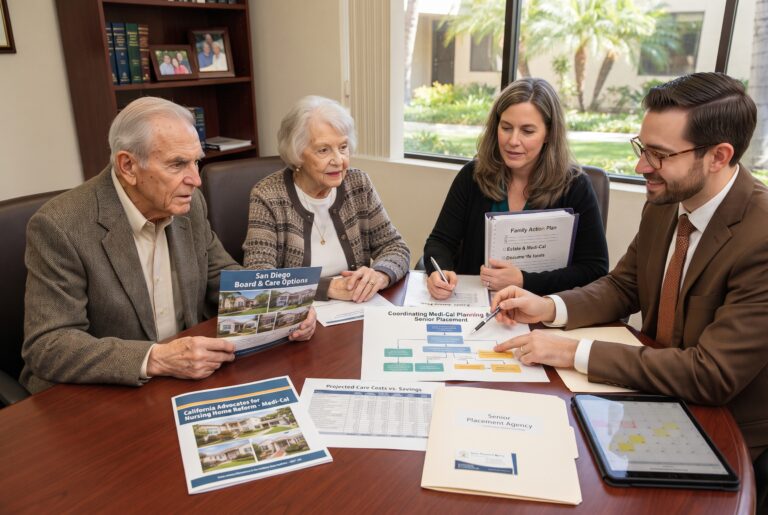
Quick answer: Elder law Medi-Cal planning and assisted living placement work best when coordinated. Because Medi-Cal does not pay...

Quick answer: Many San Diego board and care homes and assisted living communities have caregivers who speak Spanish, Tagalog,...

Quick answer: LGBTQ+ senior living in San Diego should feel safe, affirming and respectful. California law protects LGBTQ+ residents...