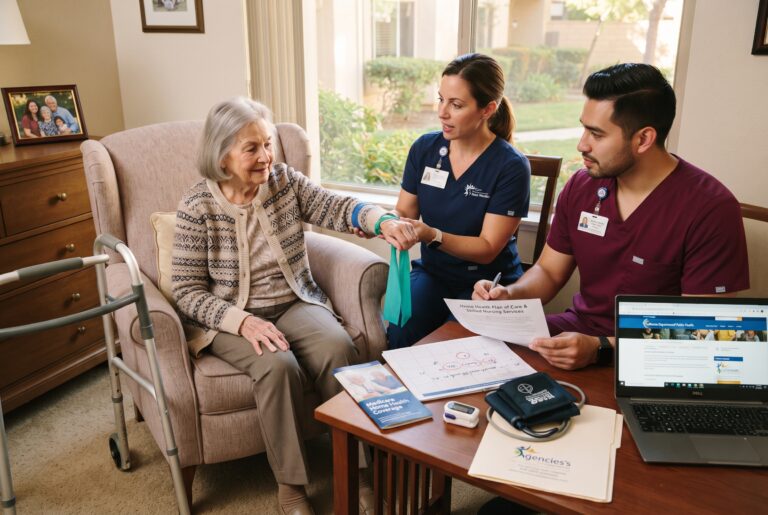
Home Health in Assisted Living: Does Medicare Cover It?
Quick answer: Yes. Medicare home health in assisted living is covered when a resident is homebound, needs intermittent skilled...


Quick answer: The Chula Vista veterans home, officially the Veterans Home of California, Chula Vista, is a state-run CalVet long-term care campus for eligible veterans and their spouses. Applicants generally must be California residents age 55 or older (or disabled or homeless), discharged under conditions other than dishonorable, and eligible for VA health care. Fees are based on income and level of care, and waitlists are common.
For San Diego veteran families, the Chula Vista veterans home is often the first long-term care option mentioned and one of the least understood. This guide explains what the Veterans Home of California in Chula Vista is, who is eligible, how member fees work, how to apply, how long waits can be, and what San Diego families can do to keep a veteran safe while waiting for a bed.
The California Department of Veterans Affairs (CalVet) operates eight veterans homes across the state: Yountville, Barstow, Chula Vista, Lancaster, Ventura, West Los Angeles, Fresno and Redding. The Chula Vista veterans home is the only CalVet home in San Diego County.
CalVet veterans homes provide housing and care on a campus shared with other veterans. Across the system, levels of care include domiciliary (independent) living, residential care for the elderly (assisted living), intermediate care, and skilled nursing, including skilled nursing memory care at some homes. Not every home offers every level, so confirm which levels of care are currently available at the Chula Vista veterans home.
State veterans homes are different from VA medical centers, and different from VA cash benefits like Aid and Attendance. They are state facilities that receive partial funding from the federal VA.
General CalVet eligibility for the Veterans Home of California, Chula Vista includes:
Non-veteran spouses and registered domestic partners may be admitted through a joint application if they meet requirements, including age and length of marriage. Wartime veterans, former prisoners of war and Medal of Honor recipients receive admission priority.
Residents of the Chula Vista veterans home pay a monthly member fee set by CalVet. The fee is calculated as a percentage of the resident’s income, and the percentage is higher at more intensive levels of care, up to a set maximum. Because fees track income, many veterans pay less at a state veterans home than they would for private assisted living or a private nursing home in San Diego.
When you call admissions, ask:
Wait times vary by level of care and by how many residents move or pass away. Higher levels of care, such as skilled nursing or memory care, often have longer waits. Ask admissions for a realistic estimate for your parent’s care level, and how often you need to confirm continued interest to stay on the list.
Most families need a plan for the months before a bed opens:
For many families, the right answer is both: apply to the Chula Vista veterans home and choose a private home to bridge the wait.
While you wait for a bed, a free senior care placement advisor can help you find a senior care home near Chula Vista that accepts month-to-month residents.
The Chula Vista veterans home is one of several paths. Depending on eligibility, service-connected disability rating and local availability, a veteran may also qualify for federal VA programs such as:
Program availability and waitlists change, so ask the social worker at your parent’s VA primary care clinic which options fit. Our guide to veterans assisted living covers how these programs connect with private care.
VA Aid and Attendance is an add-on to the VA pension for wartime veterans and surviving spouses who need help with daily activities or live in a care home. It can make a private board and care home or assisted living community affordable while a family waits for a veterans home bed. Income, assets and medical need all count, and the rules are detailed.
Free, trustworthy help is available. Every California county has a County Veterans Service Office, and accredited veterans service organizations also help families file VA claims at no charge. Be cautious of anyone who charges a fee to help you apply for a pension, or who suggests moving assets into annuities or trusts to qualify. Only VA-accredited representatives may help prepare claims, and the VA’s look-back rules can penalize some asset transfers. Ask an elder law attorney before moving money. See our guide to elder law and Medi-Cal planning.
Military service can shape how a veteran experiences care late in life. Memories of combat may return as dementia progresses, even for veterans who never talked about them. Loud noises, crowded rooms, being touched from behind, or being awakened suddenly can trigger fear or anger.
When choosing a veterans home or a private senior care home, ask:
A calm, small setting with the same caregivers every day suits many veterans with dementia. Our guide to board and care homes for dementia explains what to look for.
The DD-214, or Report of Separation, is the key document for the veterans home application and for most VA benefits. If your parent cannot find it, check with the County Veterans Service Office, which may have a copy on file if your parent used veterans services before. Veterans and next of kin can also request military service records from the National Archives’ National Personnel Records Center online or by mail. Request records early, since replacements can take weeks or longer.
Consider a hypothetical Navy veteran in National City, 82, who served in Vietnam and now has early Parkinson’s. His wife can no longer help him in and out of the shower. Their daughter applies to the Chula Vista veterans home with a joint application for both parents, helps her father apply for Aid and Attendance through the County Veterans Service Office, and moves both parents into a board and care home 10 minutes away while they wait. When a bed opens months later, the family weighs the move against how settled her parents have become, and decides together. Browse board and care homes in National City and Chula Vista for bridge options near the veterans home.
Yes. The Veterans Home of California, Chula Vista, operated by CalVet, is the state veterans home in San Diego County. It is one of eight CalVet homes statewide, and admission requires an application and medical review.
Non-veteran spouses and registered domestic partners may be admitted through a joint application if they meet the requirements. Ask admissions about age and length-of-marriage rules before applying.
Residents pay a monthly fee based on a percentage of income and the level of care, up to a set maximum. Ask CalVet admissions for the current percentage and maximum for the level of care your parent needs.
Usually, especially for higher levels of care such as skilled nursing. Applying early and keeping paperwork current helps, and many families arrange a private board and care home in the meantime.
No. Eligible veterans 55 and older can apply without a service-connected disability. A service-connected rating may, however, open other VA long-term care options, so ask the VA social worker.
Yes. It is a monthly pension paid to the veteran or surviving spouse that can be used toward care costs. A County Veterans Service Office or accredited representative can help with the application for free.
Request a copy of military service records from the National Archives’ National Personnel Records Center, online or by mail. The County Veterans Service Office may also have a copy on file. Start early, since replacement records can take time.
Generally not for room and board. The VA may approve some private homes through its Community Residential Care program, but the veteran usually pays the home’s rate. VA Aid and Attendance can help eligible veterans and surviving spouses cover the cost.
The Chula Vista veterans home offers income-based long-term care for eligible California veterans and spouses, but admission takes paperwork and patience. Apply early with the DD-214 and medical records, pursue VA Aid and Attendance if your parent qualifies, and line up a private board and care home or assisted living community to bridge the waitlist. A free senior care assessment can help you find a bridge option near Chula Vista.
Quick answer: Yes. Medicare home health in assisted living is covered when a resident is homebound, needs intermittent skilled...
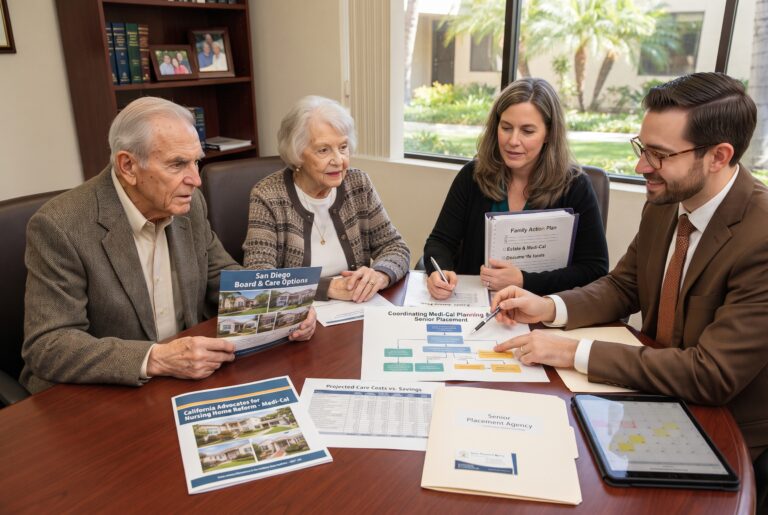
Quick answer: Elder law Medi-Cal planning and assisted living placement work best when coordinated. Because Medi-Cal does not pay...

Quick answer: Many San Diego board and care homes and assisted living communities have caregivers who speak Spanish, Tagalog,...

Quick answer: LGBTQ+ senior living in San Diego should feel safe, affirming and respectful. California law protects LGBTQ+ residents...